8 Milliseconds of Latency, 6 Billion Downloads of Experience
Jean-Baptiste Kempf, the lead developer behind VLC Media Player's 6 billion downloads, just raised $5 million for Kyber. The round was led by Lightspeed Venture Partners (also early backers of Mistral AI and Anthropic). Kyber is an open-source SDK that synchronizes video, audio, sensor data, and control inputs with what the company claims is the lowest achievable latency.
At the Mile High Video conference in February 2025, Kempf demonstrated 8 milliseconds of glass-to-glass latency—the time from camera capture to display on a remote screen. That's the kind of number that makes remote control of robots and drones feel local.
Built on FFmpeg and VLC DNA
Kyber isn't a from-scratch project. It's built on top of FFmpeg and VLC, the same open-source video infrastructure Kempf has contributed to for two decades. VLC's 6 billion downloads (confirmed at CES 2025) means the core video streaming tech is battle-tested at planetary scale.
Kempf started Kyber as a side project while CTO at Shadow, the French cloud gaming company. He spun it out when the potential became clear. The company now has 25 employees, including a significant number of forward-deployed engineers (FDEs) — a model reminiscent of Palantir's approach to custom integrations.
The Infrastructure Problem for Physical AI
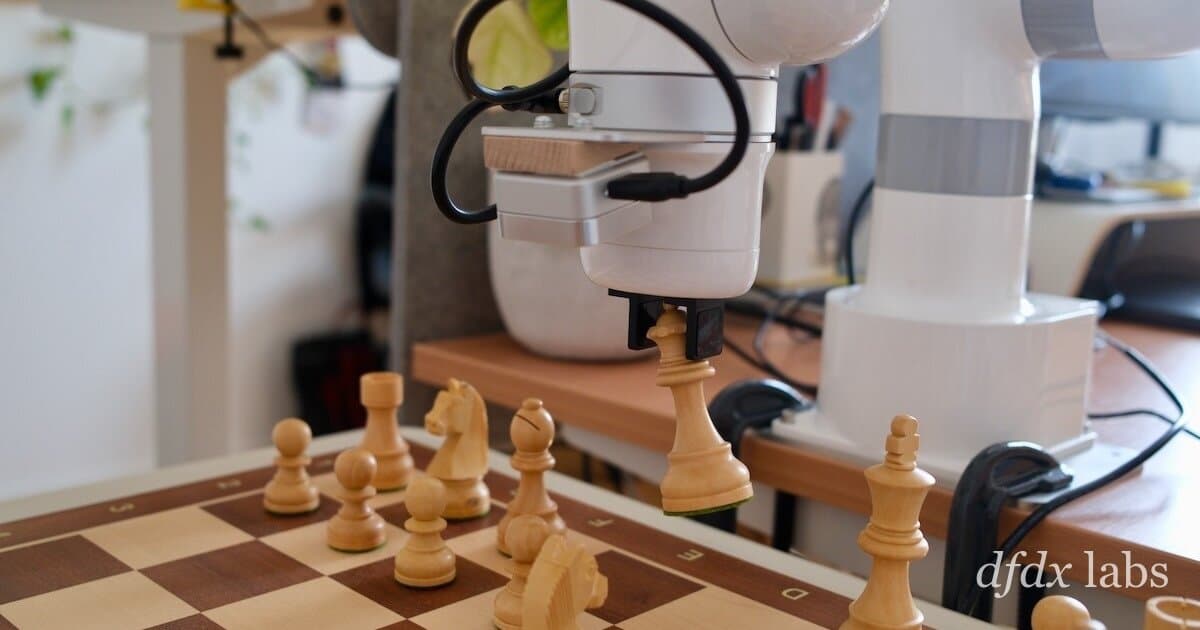
Kempf describes Kyber's target: "all the use cases where the person who's operating is not in the same place as the compute, which is not in the same place as the action." That covers robotics, drones, remote vehicles, cloud rendering, and remote IT access.
Kyber is already in commercial deployment with customers in defense, telecom, robotics, and AI. The startup is prioritizing three segments: robotics, drones, and remote IT access. Kempf told TechCrunch that demand for remote IT has been particularly strong, and he positions Kyber as a potential challenger to Citrix. That alone represents a large addressable market before the robotics opportunity fully materializes.
Scaling from Thousands to Millions
The biggest remote driving fleets today manage around 2,000 to 3,000 vehicles. Scaling to millions requires a fundamentally different platform. Kyber's SDK handles not just low-latency streaming but also observability — so operators and AI agents can verify that systems are actually working.
Global investment in robotics and physical AI hit $27.6 billion in 2025, more than double the previous year. Most of those robots will need a control and observability layer. Lightspeed called the investment "a bet on the plumbing beneath physical AI," writing: "Physical AI is only as good as the underlying systems running it."
Open-Source Core, Enterprise Product
True to Kempf's open-source roots, the core project is freely available under a dual license. The company sells a productized version to enterprise customers and deploys FDEs for custom integrations. Kyber is headquartered in Paris with offices in San Francisco and Singapore.
How It Works (Technical Sketch)
Kyber's SDK sits between the remote device and the operator. It captures video frames from the device, encodes them using FFmpeg, transmits them over the network, decodes them on the operator side, and displays them — all within 8ms. Control inputs flow back the same way. The SDK also synchronizes sensor data and audio streams.
For a developer integrating Kyber, the flow looks something like:
# Pseudocode for a remote drone control
from kyber import RemoteDevice, Controller

drone = RemoteDevice("drone-001", endpoint="wss://kyber.cloud/device")
controller = Controller(local_port=8080)

# Start streaming video and receiving control inputs
controller.connect(drone)
# Now video appears at localhost:8080, joystick inputs go to drone
(Note: actual API specifics may vary; this illustrates the concept.)
Why This Matters for Developers
If you're building remote control systems for robots, drones, or any physical device, Kyber offers a pre-built infrastructure layer that handles the hard parts: ultra-low-latency video, synchronization, and observability. It's open-source under a dual license, so you can start with the free core and upgrade to enterprise features as needed.
Kempf's bet is simple: if hundreds of millions of robots and drones are coming, someone needs to build the nervous system that connects them. He's betting that the person who made video playback work for 6 billion users is the right one to do it.
Next Steps
Check out Kyber's open-source SDK on GitHub. If you're working on remote device control, consider contributing or evaluating the enterprise version. The remote IT segment alone — challenging Citrix — means there's immediate value even if you're not building robots.