12 Million Stolen Accounts, $220 Million Market
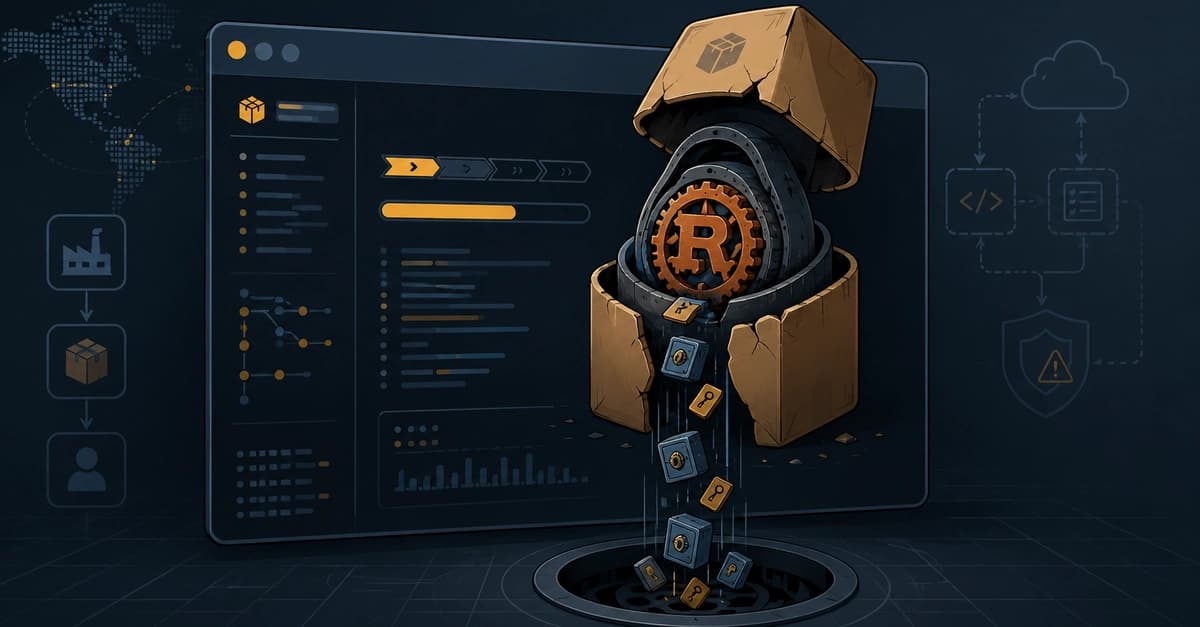
HUMAN Security's Satori Threat Intelligence team tracked over 12 million compromised streaming accounts tied to World Cup broadcasts circulating on the dark web. The total black-market value: nearly $220 million. On June 27, the final day of the group stage, threat actors released a record 802,000 accounts in a single day, generating an estimated $14.8 million in potential revenue.
How the Attack Works
Sellers obtained accounts through credential-stuffing attacks using stolen usernames and passwords already on the dark web, or via info-stealing malware that extracts credentials saved on victims' devices. Over 4,300 fake FIFA domains and banking malware hidden in streaming apps were already targeting fans before the tournament kicked off on June 11. The stolen-account market is a separate layer of the same infrastructure, monetising credentials rather than phishing for new ones.
Pricing and Market Dynamics
Stolen accounts sell for as little as $5, compared to legitimate subscriptions costing $30 to $50. Some listings advertise linked payment cards, loyalty points, premium tiers, and warranties promising replacement accounts if buyers lose access. Lindsay Kaye, VP of threat intelligence at HUMAN Security, told Fortune that demand is growing as fans seek cheaper ways to watch. Sellers treat the World Cup like any high-demand retail event: expanding inventory and raising prices as consumer interest peaks.
Services Affected and Response
The accounts span 10 streaming services carrying tournament matches. Fubo said it prepares for high-traffic events months in advance and monitors for suspicious geolocation patterns, such as the same account appearing in two distant locations within a short time. Fox Sports, NBC Sports, Telemundo, FIFA, YouTube TV, and DirecTV did not respond to requests for comment. Italian police seized a piracy app in May that streamed Sky, DAZN, and Netflix through hijacked real accounts, showing that credential-based piracy is a growing enforcement problem beyond the World Cup.
Technical Details for Developers
Credential-stuffing attacks typically use automated tools like Sentry MBA or OpenBullet, which test stolen credentials against multiple streaming service APIs. These tools can rotate proxies and bypass CAPTCHAs using services like 2Captcha. Info-stealing malware families such as RedLine, Vidar, and Raccoon are common; they target browser password managers, cookies, and autofill data. Once credentials are harvested, attackers validate them against streaming endpoints (e.g., /api/v1/auth/login) and sort by service, account tier, and validity.
Mitigation Strategies
For developers running streaming services:
- Implement rate limiting on login endpoints (e.g., 5 attempts per IP per minute).
- Use device fingerprinting to detect concurrent logins from different geographies.
- Enforce multi-factor authentication for account changes.
- Monitor for credential-stuffing patterns: high login failure rates, repeated attempts from known proxy IPs.
- Consider using bot detection services like HUMAN's own Satori or Cloudflare Bot Management.
Example rate-limiting middleware for Node.js/Express:
const rateLimit = require('express-rate-limit');

const loginLimiter = rateLimit({
  windowMs: 60 * 1000, // 1 minute
  max: 5, // 5 attempts per window
  message: 'Too many login attempts, please try again later.',
  standardHeaders: true,
  legacyHeaders: false,
});

app.post('/login', loginLimiter, (req, res) => {
  // login logic
});
Why This Matters Now
With Sunday's final between Spain and Argentina expected to set another viewership record, the window for this market is closing, but the credentials will outlast the tournament. Developers must harden authentication systems against credential-stuffing and info-stealer attacks. The 802,000-account dump on June 27 is a stark reminder that attackers are scaling operations to match real-world events.
What You Can Do
- Audit your login endpoints for rate limiting and anomaly detection.
- Check if your credentials have been exposed via Have I Been Pwned or similar services.
- Enable MFA on all streaming accounts.
- Use a password manager with strong, unique passwords.
- Monitor dark web forums (if you have access) for mentions of your service.
The credentials from this dump will be reused in future attacks. Act now to protect your users and your service.